POTASSIUM TITANATE CAS#12030-97-6
Excellent High-Temperature Resistance: Potassium titanate can withstand temperatures up to 1200°C, making it suitable for high-temperature industrial applications.
Low Thermal Conductivity: It has low thermal conductivity, which helps provide effective thermal insulation performance.
High Infrared Reflectivity: The material exhibits strong infrared reflectivity, supporting applications in heat management and thermal protection.
Strong and Stable Crystal Structure: With a needle-like crystal morphology and Mohs hardness of 4, potassium titanate offers good mechanical stability and durability.
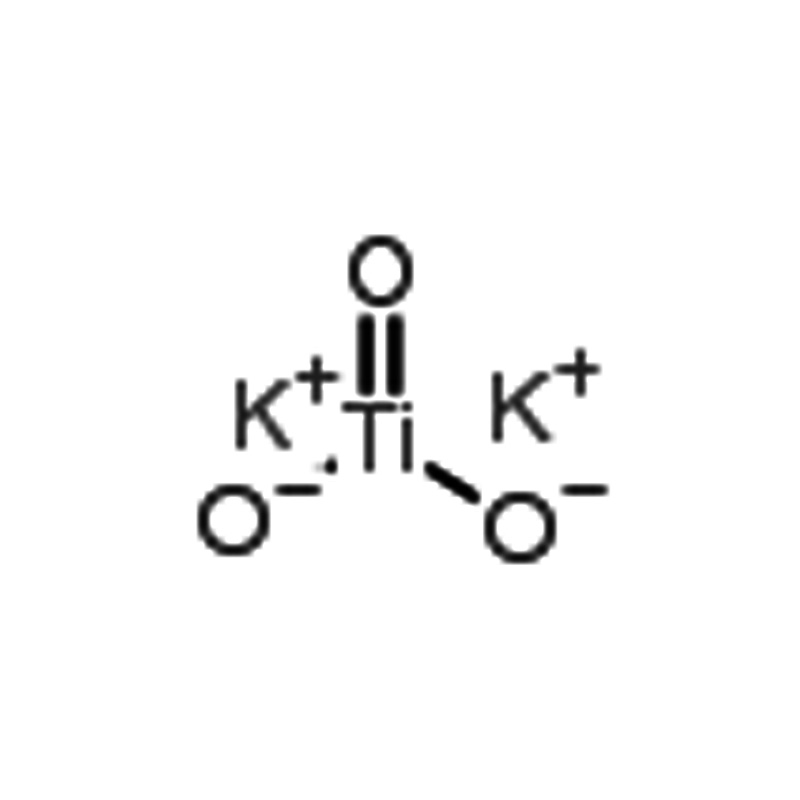
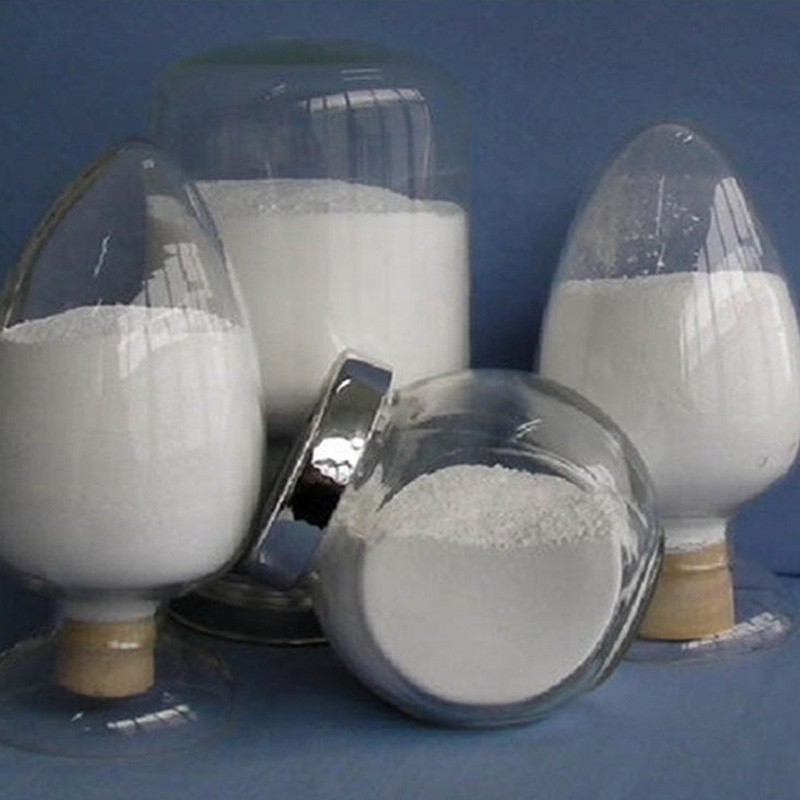
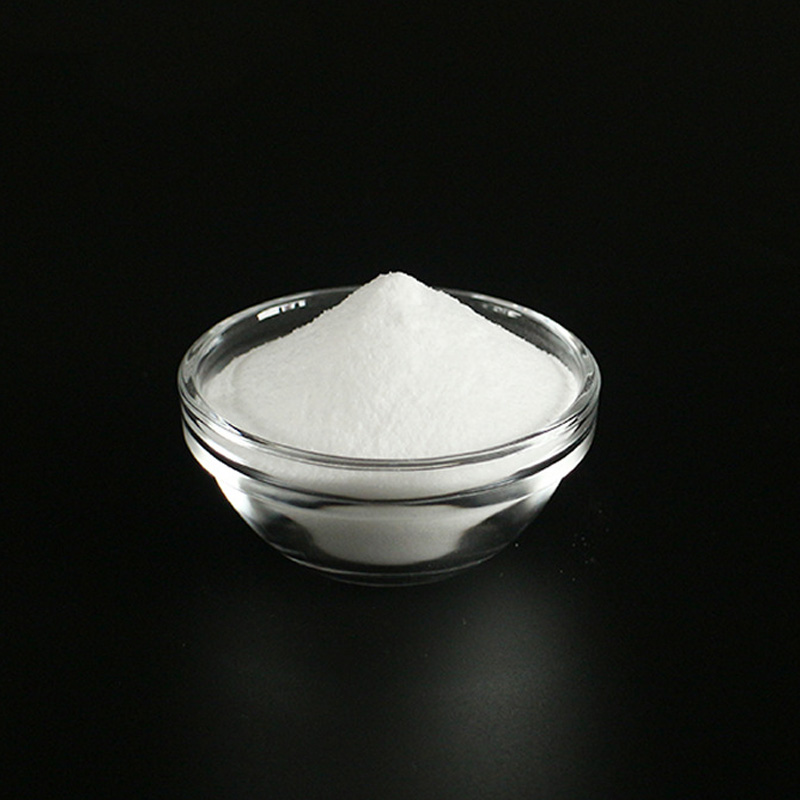
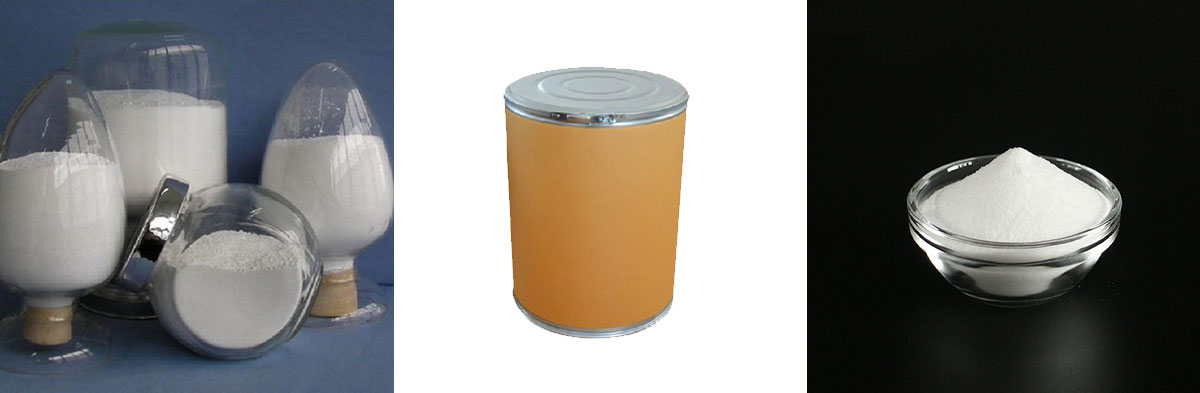
Potassium titanate is an inorganic compound composed of potassium oxide and titanium dioxide, with the general chemical formula K₂O·nTiO₂ (n=1,2,4,6,8). It is a white solid with a relative density of 3.1 and a melting point of 1515℃. It reacts with water to form a strongly alkaline solution. Based on differences in the titanium oxide chain structure, it mainly exists in tetratitanate (K₂Ti₄O₉) and hexatitanate (K₂Ti₆O₁₃) crystal forms. This compound exhibits a white needle-like crystal morphology, a Mohs hardness of 4, and possesses low thermal conductivity (5.34×10⁻³ kJ/(m·s·℃) at 25℃), high infrared reflectivity (8.4%@0.25mm thickness), and resistance to high temperatures up to 1200℃.
POTASSIUM TITANATE Chemical Properties
| Melting point | 1615°C |
| density | 3.1 |
| solubility | reacts with H2O |
| form | Powder |
| color | white orthorhombic crystals, crystalline |
| Water Solubility | hydrolyzes in H2O to give a strongly alkaline solution [HAW93] |
| CAS DataBase Reference | 12030-97-6(CAS DataBase Reference) |
| EPA Substance Registry System | Potassium titanium oxide (K2TiO3) (12030-97-6) |
| Safety Statements | 22 |
| WGK Germany | 3 |
| TSCA | TSCA listed |

Product Application of POTASSIUM TITANATE CAS#12030-97-6
It can be used as a thermal insulation material, an electrical insulation material, a catalyst carrier, and a filter material. As a friction material, compared with asbestos, it reduces friction by about 50% and wear by about 32%, making it suitable for use as a friction material in brakes, clutches, etc. After the potassium titanate surface is treated with Sb/SnO2 for conductivity, it can be used as a conductive material, or combined with plastics to form conductive composite materials. It can also be used as an ion exchange material and adsorbent.